-
Hotline
+94 76 844 7700
-
Email Us
nahttfsrilanka@gmail.com
HIGH-LEVEL BANGLADESH DELEGATION VISITS THE NATIONAL ANTI-HUMAN TRAFFICKING TASK FORCE
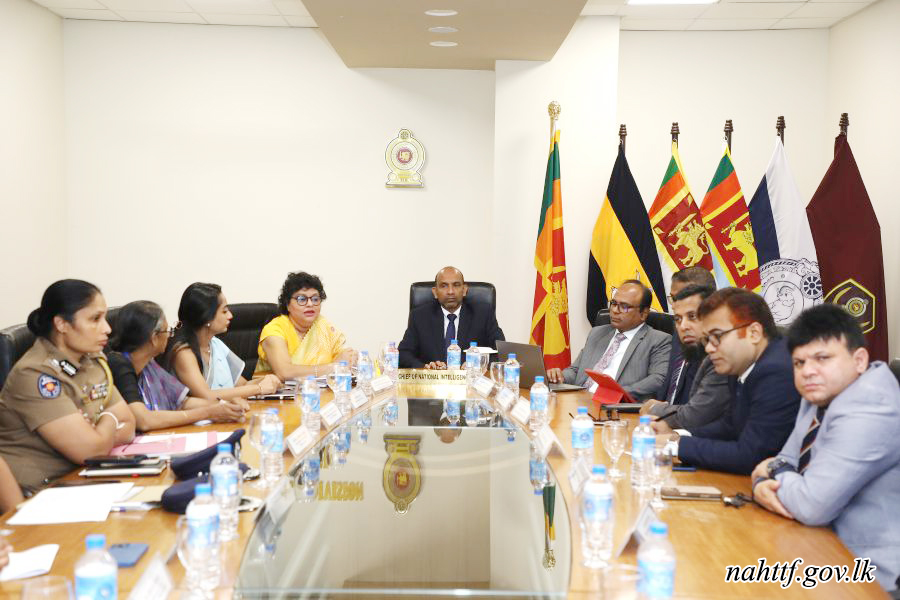
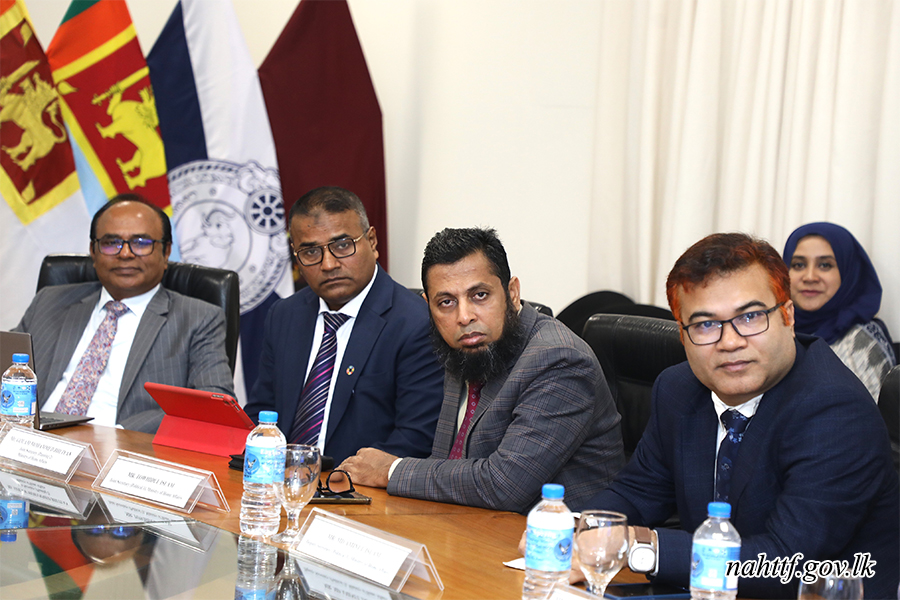
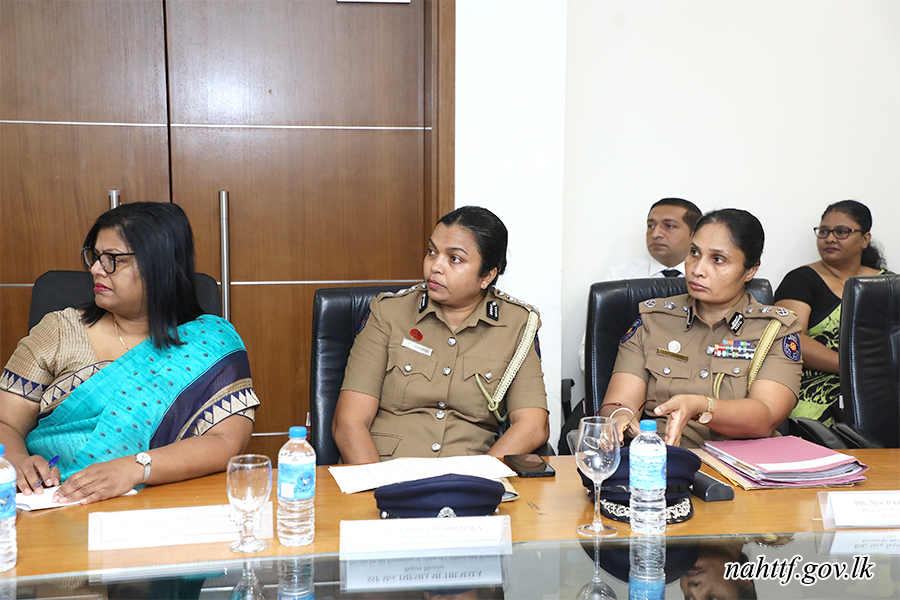
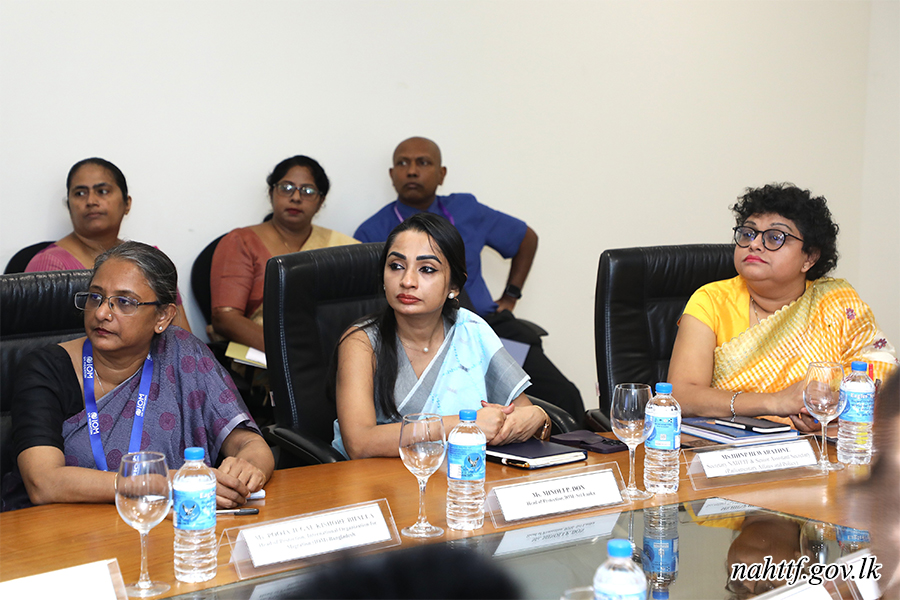
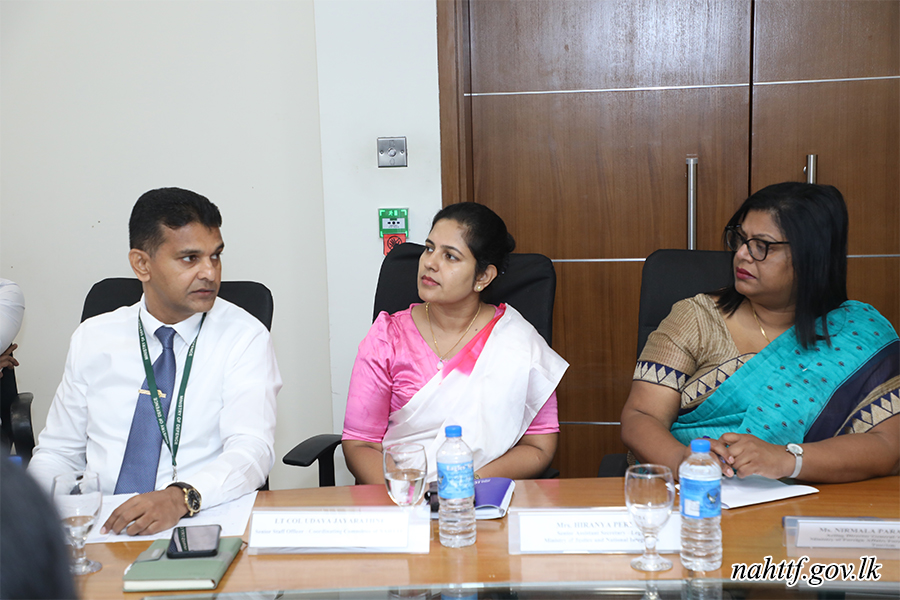
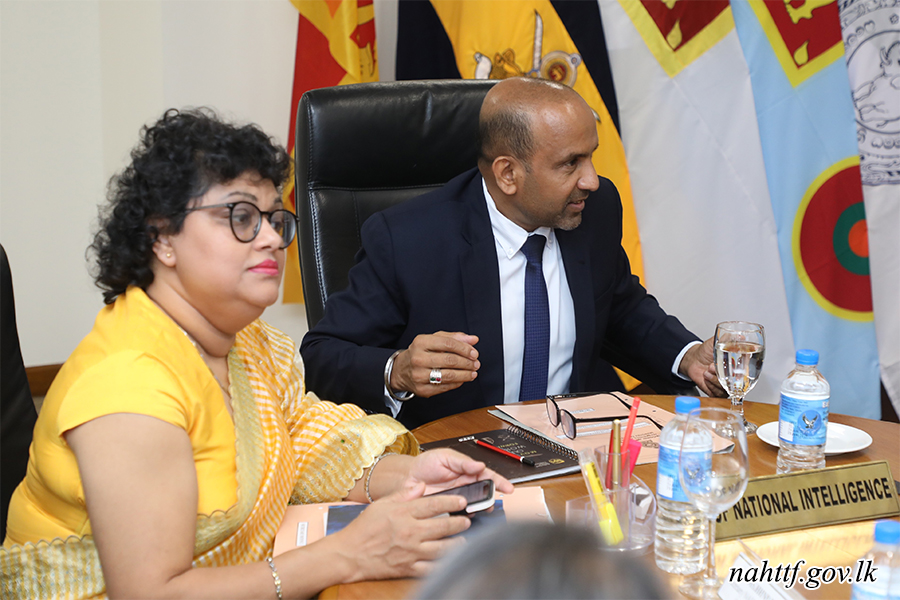
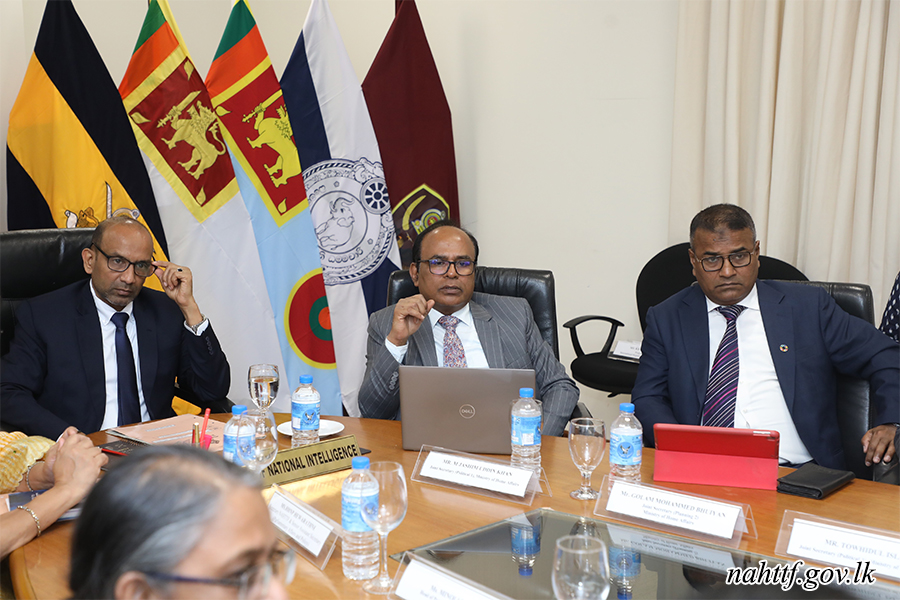
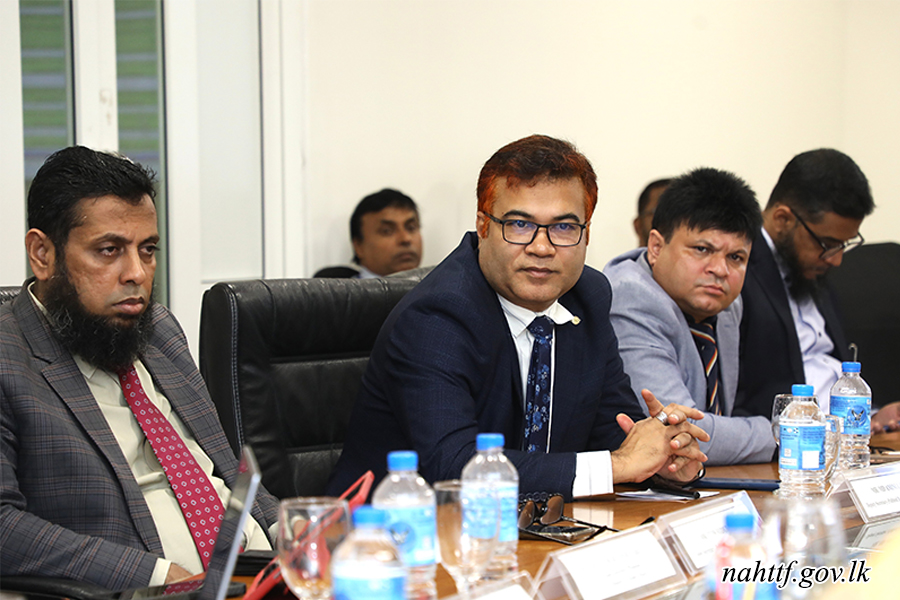
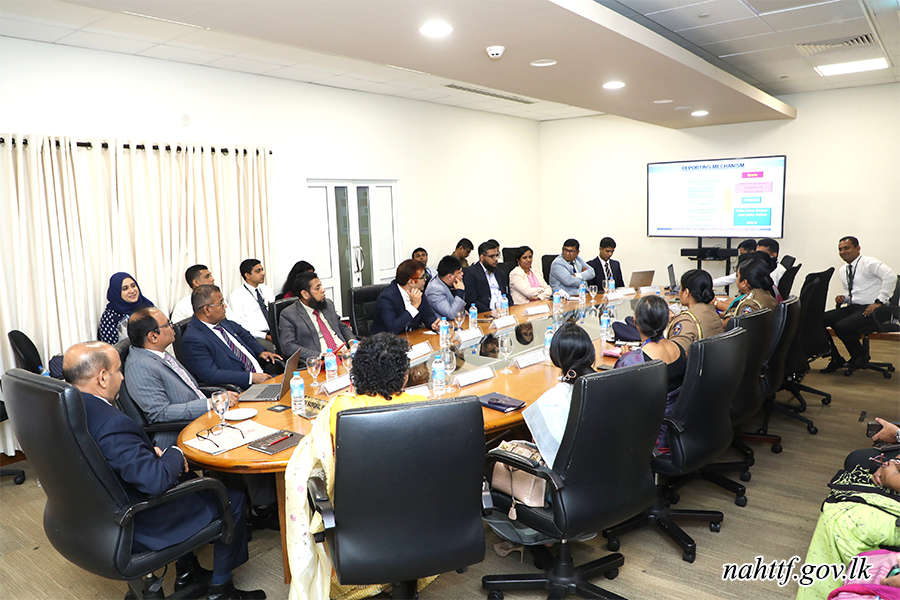
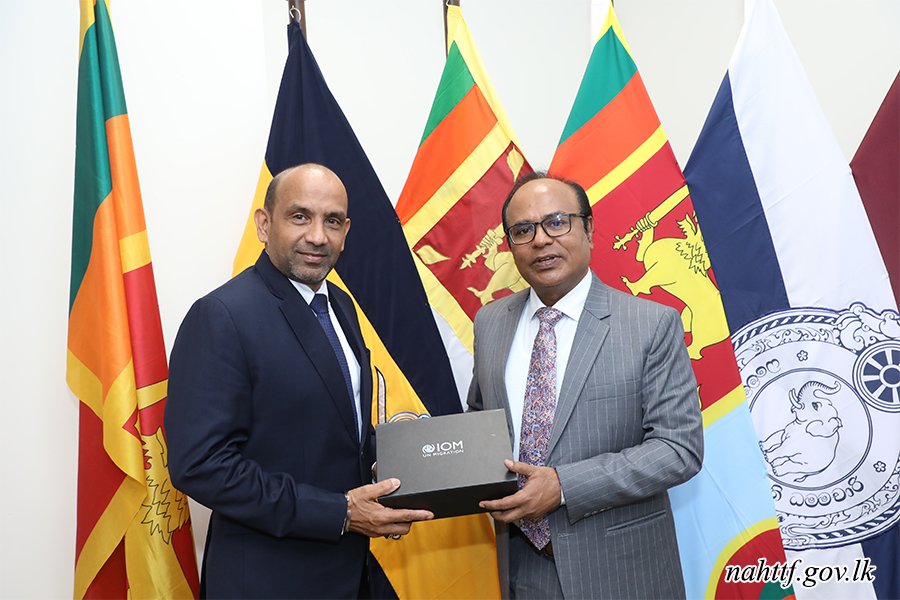
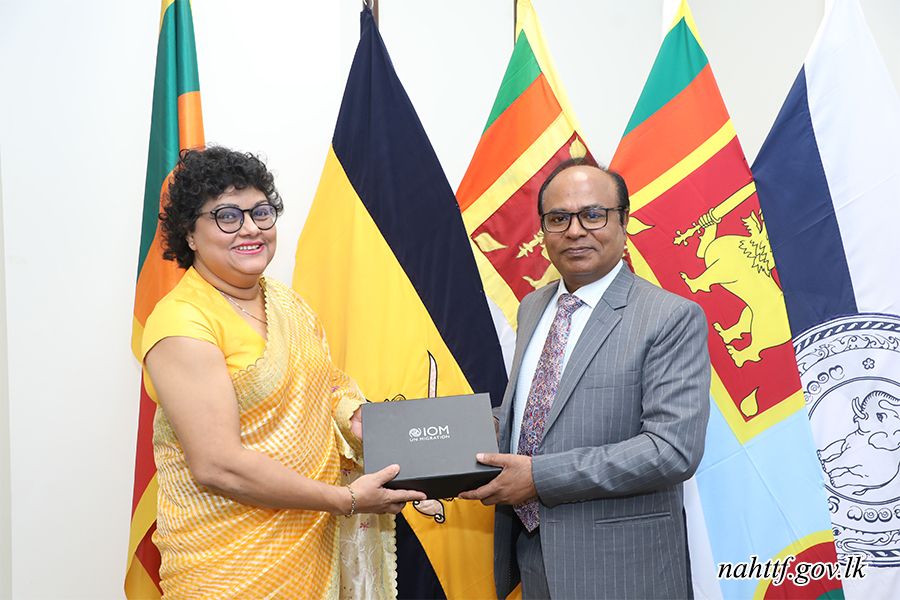
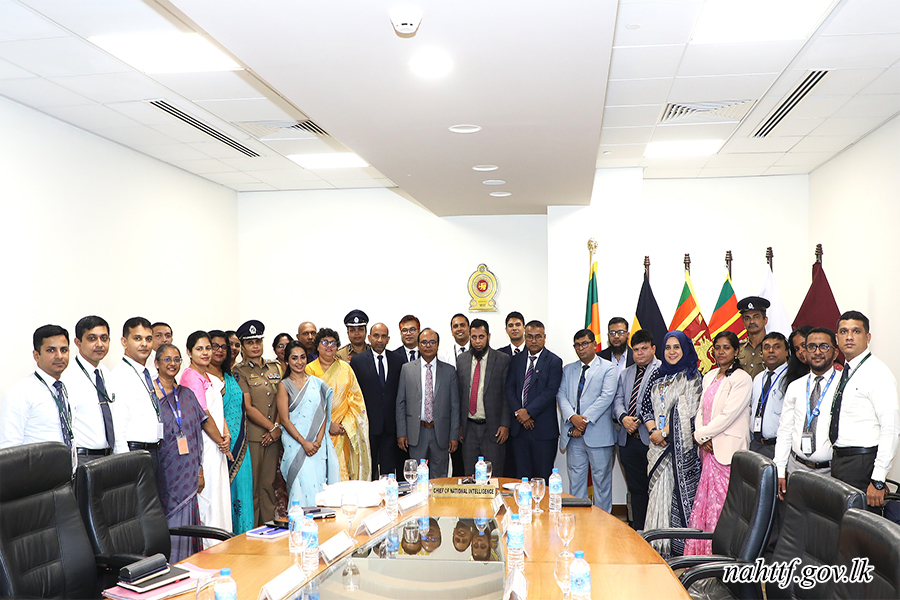
A high-level delegation from the Government of Bangladesh, accompanied by officials from the International Organization for Migration (IOM) Bangladesh, undertook an exposure visit to the National Anti-Human Trafficking Task Force (NAHTTF) in Sri Lanka on 04 November 2025.
The objective of the visit was to gain insight into Sri Lanka’s ongoing efforts to combat human trafficking, learn about the structure and coordination mechanisms of the NAHTTF, and understand processes related to victim identification, detection, repatriation, and reintegration. The discussions also aimed to explore opportunities for future cooperation and to address common regional challenges in combating human trafficking.
During the engagement, Task Force officials briefed the delegation on institutional coordination, the role of member agencies, and the importance of a multi-sectoral approach in prevention, protection, and prosecution efforts. The delegation was also apprised of Sri Lanka’s achievements in strengthening inter-agency collaboration, implementing the National Action Plan, and building capacity among frontline officers to enhance victim-centered responses.
The Bangladesh delegation included senior officials representing the Ministry of Home Affairs, Bangladesh Police, Ministry of Law, Justice and Parliamentary Affairs, Ministry of Expatriates’ Welfare and Overseas Employment, and the Department of Social Services.
The exposure visit provided a valuable platform for sharing best practices and identifying areas for future collaboration, particularly in enhancing cross-border cooperation, information sharing, and strengthening mechanisms for the protection and assistance of victims of trafficking.
The NAHTTF reaffirmed Sri Lanka’s commitment to regional partnerships and emphasized the importance of collective action in addressing the root causes of human trafficking, safeguarding vulnerable communities, and promoting safe and orderly migration.
This visit underscored the shared dedication of Sri Lanka and Bangladesh to combat trafficking in persons through knowledge exchange, institutional cooperation, and sustained regional dialogue.