-
Hotline
+94 76 844 7700
-
Email Us
nahttfsrilanka@gmail.com
Sri Lanka Launches National Strategic Action Plan to Monitor and Combat Human Trafficking (2026–2030)
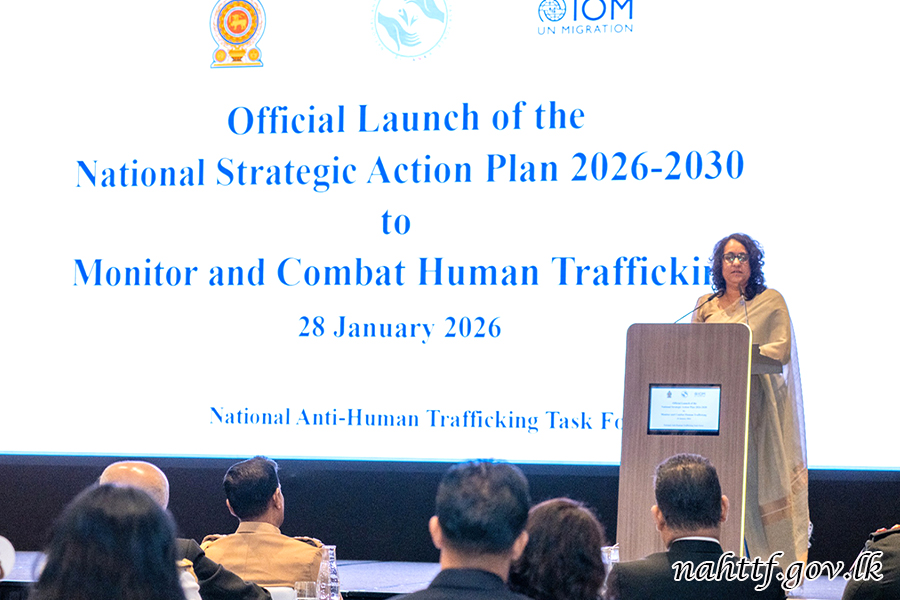
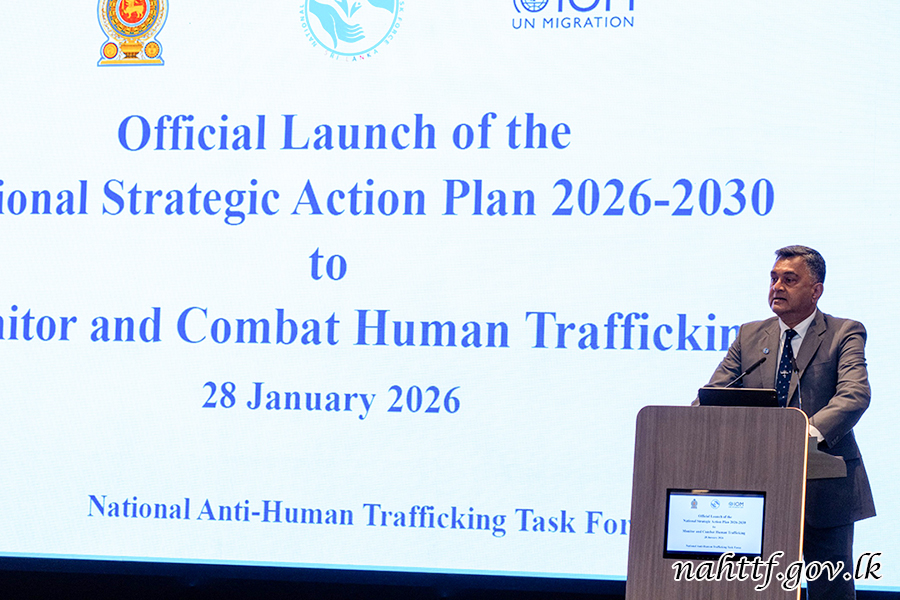
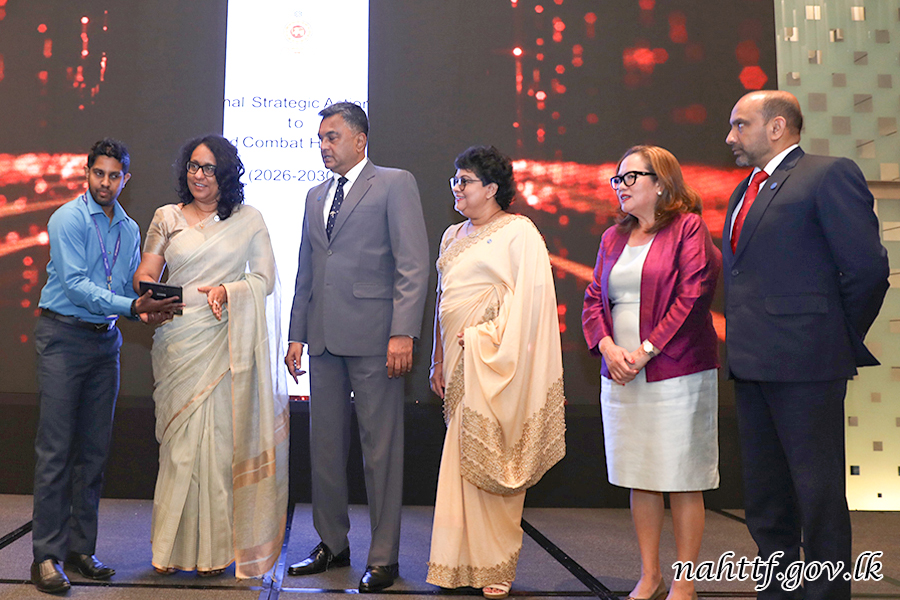
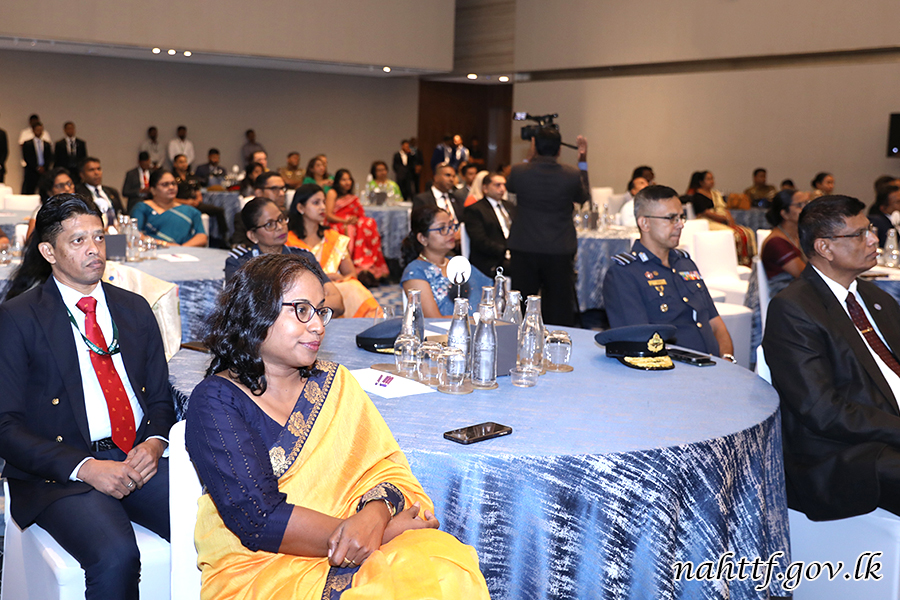
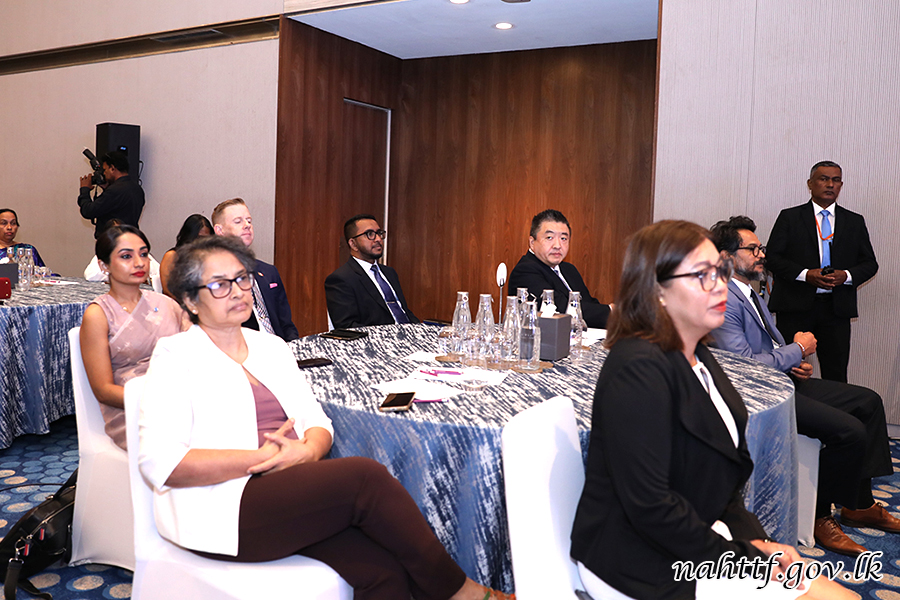
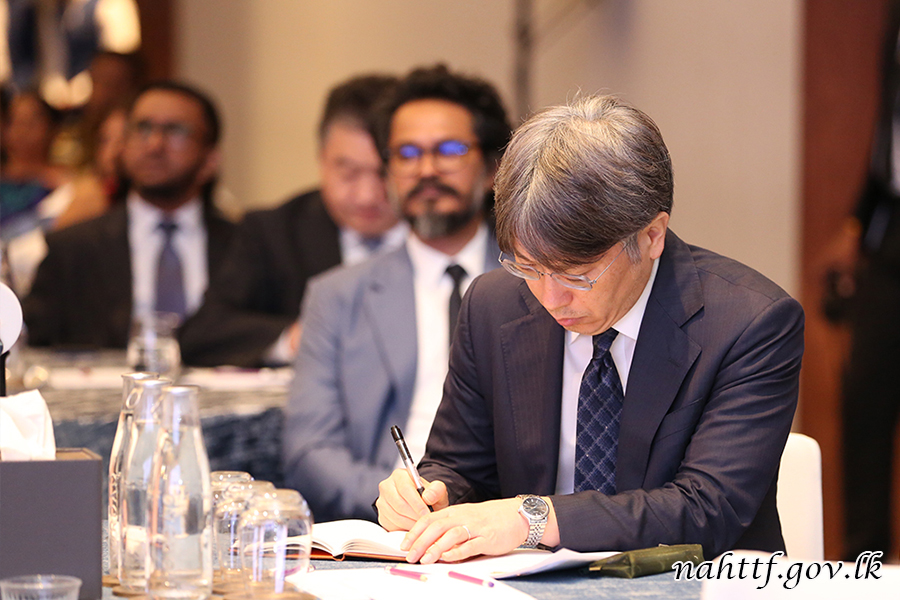
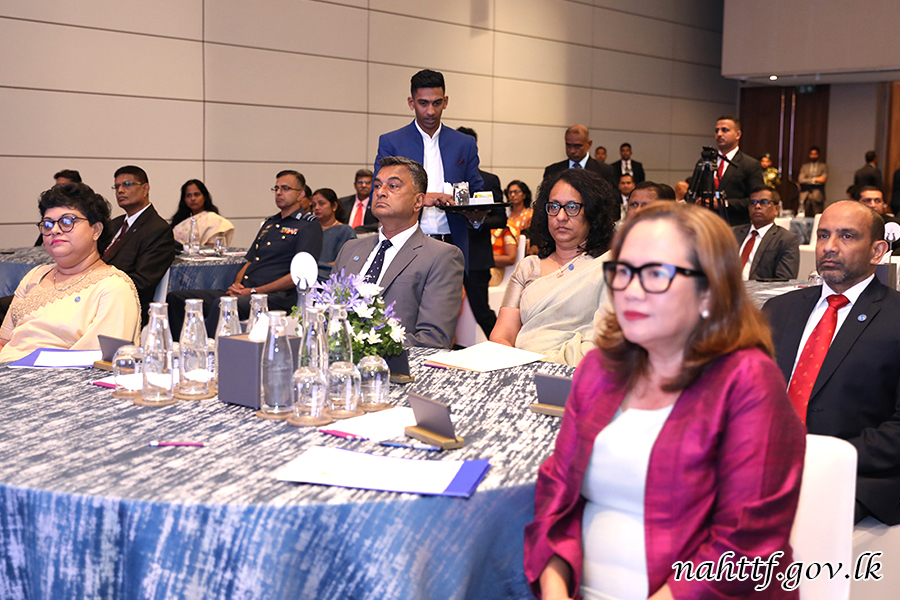
The National Anti-Human Trafficking Task Force (NAHTTF), under the Ministry of Defence, officially launched the National Strategic Action Plan to Monitor and Combat Human Trafficking 2026–2030 on 28 January 2026 at Cinnamon Life – City of Dreams, Colombo.
The launch marks a significant milestone in Sri Lanka’s national efforts to prevent human trafficking, protect victims, strengthen law enforcement responses, and enhance coordination across government institutions and partners.
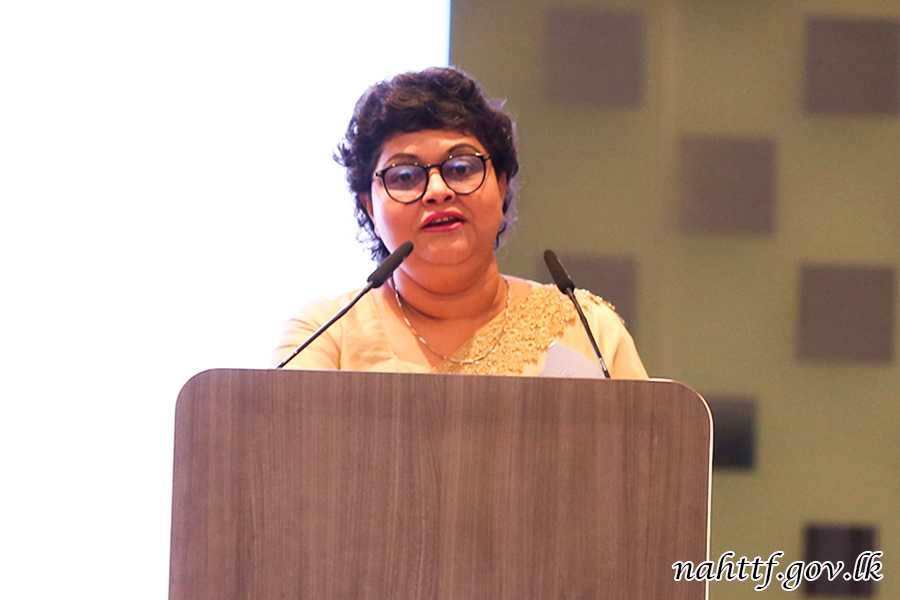
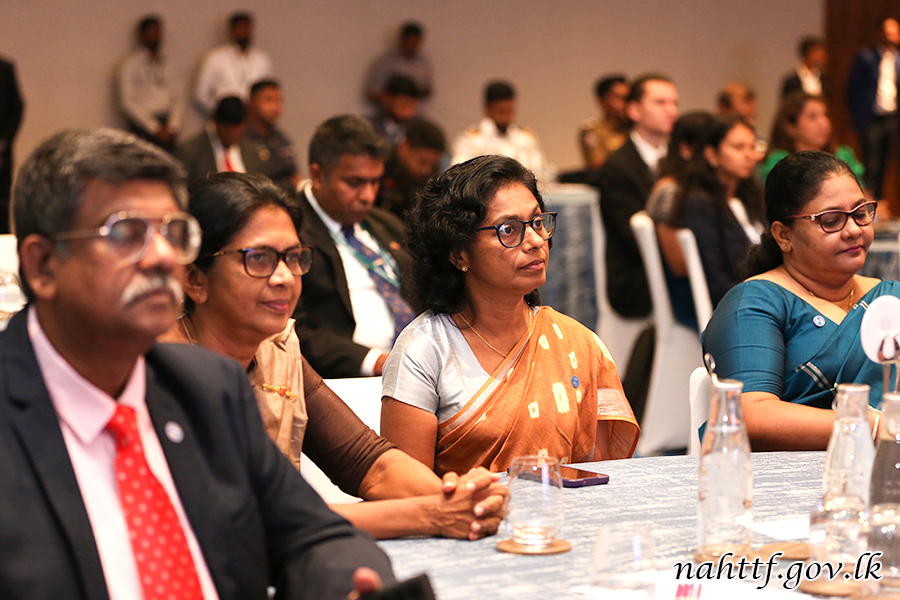
The event was held under the patronage of Dr. Harini Amarasuriya, Hon. Prime Minister of the Democratic Socialist Republic of Sri Lanka, with the participation of the Hon Attorney General, the Secretary to the Ministry of Defence and Chair of the NAHTTF, senior officials representing 23 government institutions, members of the diplomatic community, United Nations agencies and civil society organizations.
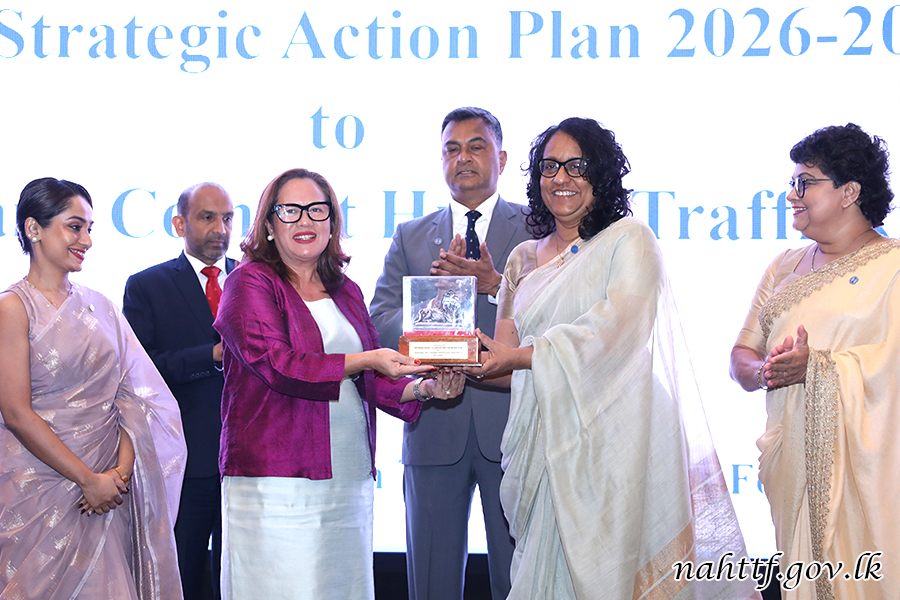
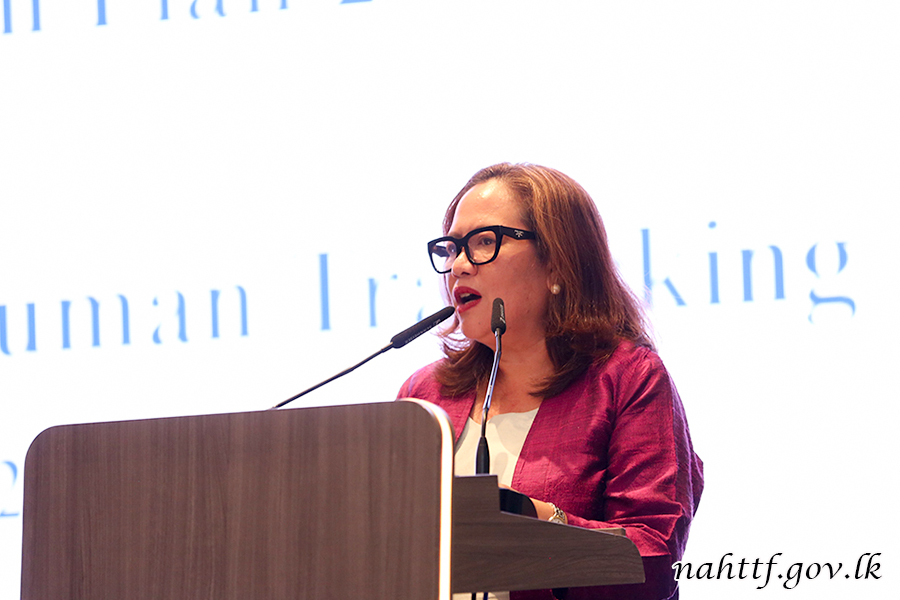
The event was also attended by Ms. Kristin Parco, Chief of Mission of the International Organization for Migration (IOM) in Sri Lanka and the Maldives, who reaffirmed IOM’s continued partnership with the Government of Sri Lanka in strengthening national counter-trafficking efforts.
Addressing the gathering, the Prime Minister emphasized that the implementation of National Strategic Action Plan is central to its effectiveness, as policy frameworks alone cannot prevent or respond to trafficking without concrete operationalization. Human trafficking is a structural and social challenge that requires sustained, multi-sectoral action. Ministries and government agencies must embed anti-trafficking priorities into their core strategies and day-to-day operations, ensuring institutional integration and professional accountability.
The Prime Minister underscored that Law enforcement officials are required to execute their mandates with diligence, professionalism, and survivor-centered approaches, while communities must engage actively to address systemic vulnerabilities, raise awareness, and support prevention efforts. Continuous monitoring, evaluation, and adaptive management are essential to identify emerging trends and respond effectively to changing patterns of exploitation.
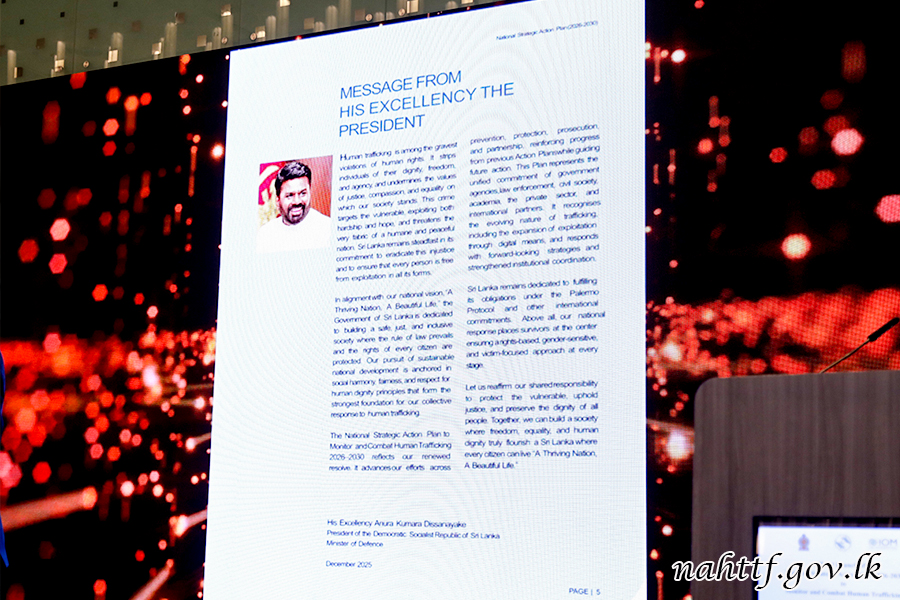
The National Strategic Action Plan 2026–2030 recognizes the evolving nature of human trafficking, including the increasing use of digital platforms, social media, and cross-border cyber networks by traffickers. In response, the Plan strengthens data-driven monitoring, inter-agency coordination, cyber-crime cooperation, and early detection mechanisms.
At the same time, the Plan adopts a victim-centred approach, ensuring that victims are treated as survivors rather than evidence, with access to shelter, medical care, psychosocial support, legal assistance, and reintegration services.
The five-year Action Plan is structured around four core pillars that guide Sri Lanka’s counter-trafficking response:
- Prevention – reducing vulnerabilities through awareness, safe migration, and risk-reduction measures
- Protection – strengthening victim identification, assistance, and long-term support
- Prosecution – enhancing investigations, accountability, and inter-agency coordination
- Partnership – reinforcing collaboration with civil society, the private sector, international organizations, and regional mechanisms
The Plan aligns with Sri Lanka’s international commitments, including the Palermo Protocol, Sustainable Development Goals, Global Compact for Migration, and the Alliance 8.7 Roadmap, while strengthening engagement with regional platforms such as the Bali Process, BIMSTEC, and the Colombo Process.
The Prime Minister commended the Ministry of Defence for its leadership in steering the national response through the NAHTTF and acknowledged the sustained commitment of member institutions in developing the Action Plan. Appreciation was also extended to the International Organization for Migration (IOM) and partner organizations for their technical support, consultation facilitation, and continued cooperation.
The National Strategic Action Plan 2026–2030 represents more than a policy document. It is a national commitment to implementation, accountability, and coordinated action to protect vulnerable persons and prevent exploitation.
The NAHTTF will continue to work closely with all relevant stakeholders to ensure effective implementation of the Plan at national and district levels, strengthening prevention, protection, prosecution, and partnership mechanisms across Sri Lanka.